Seven Simple Weeknight Dinners Using Pantry Staples
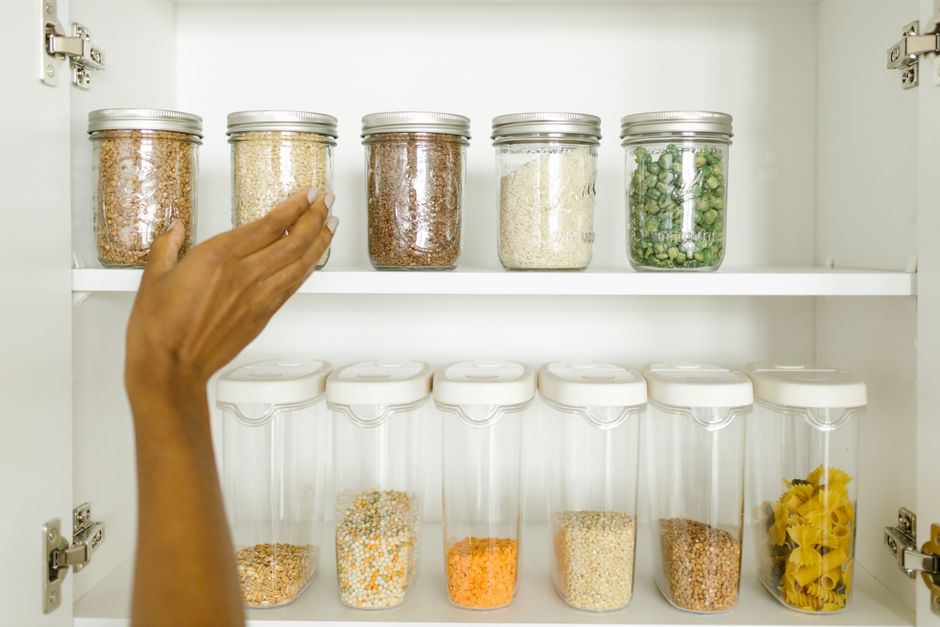
Weeknight cooking often involves balancing limited time with the ingredients already on hand. Many households keep a stock of rice, pasta, and canned goods that can serve as the foundation for a range of evening meals. These staples are shelf-stable, versatile, and generally require minimal additional shopping. When approached with a few repeatable formulas, they can support a rotation of dinners that are straightforward to prepare after a long day.
This article outlines seven dinner formulas that rely primarily on pantry items and can be assembled in under thirty minutes of active preparation. Each formula follows a flexible structure: a base grain or pasta, a canned or shelf-stable protein or vegetable, and a simple flavor component. The goal is not to prescribe exact recipes but to describe a method that can be adjusted according to what is available and what household members prefer. The information is intended as a general reference rather than a set of fixed instructions.
Preparation times may vary depending on equipment, batch sizes, and individual cooking pace. Some steps can be done in advance, while others may require attention during cooking. The formulas below emphasize transparency in method and allow for substitution based on dietary needs and personal taste. Hearth & Pantry suggests treating each formula as a starting point for adaptation rather than a strict template.
Formula One: Rice and Canned Vegetable Skillet
This formula begins with cooked or quick-cooking rice as the base. Canned vegetables such as diced tomatoes, corn, or green beans are drained and added to a wide skillet with a small amount of oil or broth. The mixture is heated over medium heat until the vegetables are warmed through and any excess liquid has reduced. A portion of canned beans or chickpeas can be included for additional substance, though the formula works without them as well. The skillet approach allows for one-pan preparation and easy cleanup, which can be helpful on busy evenings.
Flavor can be adjusted with pantry-friendly additions such as dried herbs, a spoonful of tomato paste, or a pinch of red pepper flakes. The key is to add seasonings gradually and taste as the mixture cooks. If the skillet becomes dry, a splash of water or broth can be added to maintain a consistent texture. The dish can be served as is or accompanied by bread or a simple side salad if available. Preparation typically takes about twenty minutes from start to finish when using pre-cooked rice, and slightly longer if rice is cooked from scratch.
This formula illustrates how a grain base and a canned vegetable can be combined with minimal effort. It is suitable for households that prefer a mild flavor profile, and it can be modified with additional ingredients such as leftover cooked meat or a handful of frozen peas. The method is intentionally simple to allow for repetition without monotony, as the seasonings and vegetables can be rotated.
Formula Two: Pasta with Canned Tomato and Olive Oil
A pasta-based formula can be assembled quickly by boiling pasta while preparing a simple sauce from canned tomatoes. While the pasta cooks, canned diced or crushed tomatoes are heated in a saucepan with olive oil, garlic if available, and dried herbs. The sauce is simmered briefly to allow the flavors to combine. Once the pasta is drained, it is added to the sauce and tossed to coat evenly. This approach requires minimal attention and uses common pantry items.
The formula is flexible in terms of pasta shape and tomato type. Dried pasta typically cooks in eight to twelve minutes, depending on the variety. The sauce can be as simple as tomatoes and oil, or it can include additional pantry items such as canned olives, capers, or a sprinkle of dried oregano. If a thicker sauce is desired, a small amount of the pasta cooking water can be reserved and stirred in to adjust consistency. The dish is generally served immediately, though it can be held briefly over low heat if needed.
For households seeking variety, the same formula can be adapted with different seasonings or by adding canned beans or lentils for extra texture. The preparation time is usually under thirty minutes, with the majority of that time being passive cooking. This formula demonstrates how pasta and canned tomatoes can form a reliable base for a weeknight meal without requiring fresh ingredients.
Formula Three: Rice and Canned Beans Bowl
This formula centers on a bowl format that combines cooked rice with canned beans and a simple dressing. Canned beans such as black beans, kidney beans, or pinto beans are drained and rinsed, then heated gently in a pan with a small amount of oil and optional spices. The beans are spooned over a portion of rice, and a dressing made from oil, vinegar, and pantry seasonings is drizzled on top. The result is a customizable bowl that can be adjusted with additional pantry items like canned corn or diced tomatoes.
The bowl format allows each household member to adjust portions and toppings according to preference. The dressing can be as basic as oil and vinegar or can include mustard, honey, or dried herbs. If fresh ingredients are available, they can be added, but the formula is designed to work with shelf-stable items alone. Preparation involves heating the beans and assembling the bowls, which typically takes about fifteen to twenty minutes when rice is already cooked.
This formula is particularly useful for using up small amounts of leftover rice or beans. It can be scaled up or down easily, making it suitable for different household sizes. The method emphasizes assembly rather than complex cooking, which can reduce active time in the kitchen. The combination of rice and beans provides a substantial base that can be varied through different seasonings and dressings.
Formula Four: Pasta with Canned Tuna and Peas
A pantry-based pasta dish can be made with canned tuna and canned or frozen peas. While pasta cooks, canned tuna is drained and flaked into a pan with a small amount of oil. Peas are added and heated through. The cooked pasta is then combined with the tuna and peas, and the mixture is seasoned with salt, pepper, and optional lemon juice if available. This formula relies on items that are commonly kept on hand and requires minimal preparation.
The key to this formula is to avoid overcooking the tuna, as it is already cooked. The tuna is added near the end of the process and simply heated through. The peas can be canned or frozen; if frozen, they can be added directly to the pasta during the last few minutes of cooking. The dish can be finished with a drizzle of olive oil or a sprinkle of dried herbs. Preparation time is generally under twenty-five minutes, including pasta cooking time.
This formula is adaptable to different types of canned fish or additional pantry items such as canned tomatoes or olives. It illustrates how a protein source from a can can be integrated into a pasta dish without extensive preparation. The method is straightforward and can be repeated with variations to suit different tastes.
Formula Five: Rice and Canned Soup Risotto-Style
This formula uses canned soup as a flavorful liquid for cooking rice in a risotto-like manner. A can of condensed soup, such as cream of mushroom or tomato, is combined with water or broth according to taste, and rice is simmered in the mixture until tender. The process requires occasional stirring, but it is otherwise hands-off. The result is a creamy rice dish that uses pantry items and requires little active attention.
The ratio of liquid to rice may need adjustment depending on the type of rice and soup used. Generally, one cup of rice to two to three cups of liquid is a starting point, but the consistency can be adjusted by adding more liquid if the rice absorbs it quickly. The dish can be enriched with canned vegetables or beans if desired. Preparation time is typically twenty to thirty minutes, with most of that time being simmering.
This formula demonstrates how canned soup can serve as a base for a grain dish without the need for additional fresh ingredients. It is a convenient option for evenings when limited attention is available for cooking. The method is flexible and can be modified with different soups and seasonings to create variations.
Formula Six: Pasta with Canned Vegetables and Breadcrumbs
This formula pairs pasta with a quick sauce made from canned vegetables and toasted breadcrumbs. Canned vegetables such as diced tomatoes, artichoke hearts, or mushrooms are heated in a pan with oil and seasonings. Meanwhile, breadcrumbs are toasted in a separate pan until golden and crisp. The cooked pasta is tossed with the vegetable mixture and topped with the breadcrumbs for texture. This approach adds a crunchy element without requiring fresh ingredients.
The breadcrumbs can be made from stale bread or purchased, and they add a contrasting texture to the soft pasta and vegetables. The vegetable mixture can be as simple as canned tomatoes with garlic and herbs, or it can include a mix of canned vegetables. The dish is typically ready in about twenty minutes, including pasta cooking time. The formula is versatile and can be adjusted based on the canned vegetables available.
This formula is suitable for households that enjoy a variety of textures in their meals. It requires two pans but minimal active cooking. The method can be repeated with different combinations of canned vegetables and seasonings to provide variety throughout the week.
Formula Seven: Rice and Canned Fruit Compote
For a simpler evening meal, rice can be served with a warm compote made from canned fruit. Canned peaches, pears, or pineapple are heated with their syrup and a pinch of spice such as cinnamon or nutmeg. The fruit mixture is spooned over cooked rice, creating a sweet and savory combination. This formula is unconventional but can be useful when other ingredients are limited or when a lighter meal is desired.
The compote can be adjusted by draining the syrup for a less sweet version or by adding dried fruit or nuts if available. The rice can be served warm or at room temperature. Preparation involves heating the fruit and assembling the dish, which takes about ten to fifteen minutes. This formula is not intended as a standard dinner but as an alternative that uses pantry staples in a different way.
Each of these formulas offers a structured approach to weeknight cooking with pantry staples. They are not intended as strict recipes but as methods that can be adapted. Hearth & Pantry emphasizes that individual results may vary based on ingredients, equipment, and preferences. The information provided is for general reference and does not replace personal judgment in meal planning.