How to Wash and Store Leafy Greens Correctly
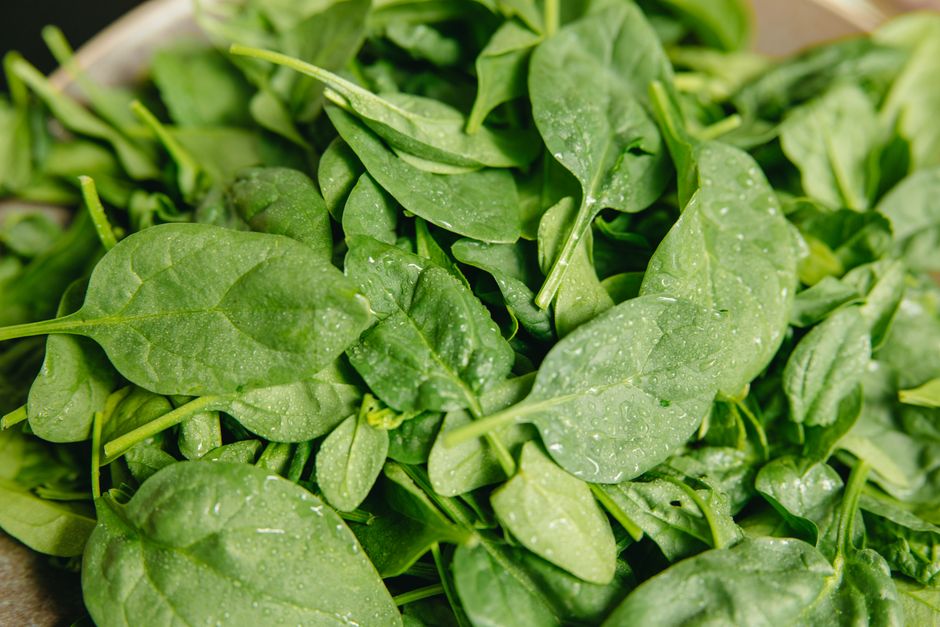
Leafy greens such as spinach and lettuce are staples in many kitchens, yet they are among the most perishable items in the refrigerator. Their high water content and delicate structure make them susceptible to wilting, decay, and bacterial growth if not handled properly. Proper washing and storage techniques are essential for maintaining freshness, texture, and safety. This article outlines a systematic approach to rinsing, drying, and refrigerating leafy greens, with a specific focus on a soaking method for sandy leaves. The goal is to provide a clear, process-oriented framework that can be adapted to various types of greens and household conditions.
Understanding the science behind leafy green deterioration helps in designing effective storage strategies. Excess moisture accelerates spoilage, while insufficient cleaning leaves behind grit and potential contaminants. By following a consistent routine, home cooks can extend the usable life of their produce and reduce waste. The steps described here emphasize observation and adjustment rather than rigid rules, acknowledging that factors such as green variety, initial freshness, and refrigerator humidity all play a role. The information is intended for general educational purposes and does not replace professional food safety guidance.
In the following sections, we will explore the key stages: initial preparation, washing methods including soaking for sandy leaves, drying techniques, refrigeration storage, and long-term maintenance. Each stage is presented with practical considerations and explanations of why certain actions are taken. The approach is neutral and focuses on methodology, allowing readers to make informed decisions based on their specific circumstances.
Initial Preparation and Sorting
Before washing, leafy greens should be sorted to remove any damaged or decayed leaves. This step is important because a single rotting leaf can accelerate the deterioration of the entire batch. Inspect the leaves for signs of yellowing, slime, or mold, and discard any affected parts. Additionally, remove any thick stems or cores that may be tough or bitter, depending on the intended use. For lettuce varieties like romaine or iceberg, separating the leaves helps ensure thorough cleaning and even drying. Spinach leaves, especially bunched or loose varieties, often require trimming of the root ends.
Sorting also involves checking for foreign materials such as twigs, insects, or stones. While commercially washed greens may be labeled as ready-to-eat, many people prefer to rewash them for peace of mind. However, it is worth noting that pre-washed greens are often processed in a way that minimizes handling; rewashing may introduce new moisture and increase spoilage risk if not dried properly. For unwashed or farm-fresh greens, sorting is a non-negotiable first step. The sorted greens can be placed in a clean bowl or colander while preparing the washing station.
Another consideration is the temperature of the washing water. Using cold water helps maintain the crispness of the leaves and slows down enzymatic reactions that lead to wilting. Warm water can cause the leaves to soften and may promote the uptake of water into the cell walls, leading to a mushy texture. It is also advisable to work with small batches rather than filling a sink with all the greens at once, as this allows for more careful handling and reduces the risk of bruising. Proper preparation sets the stage for effective cleaning and drying.
Washing Methods: Rinsing and Soaking
The washing method depends on the type of leafy green and its level of dirtiness. For relatively clean lettuce or spinach, a thorough rinse under cold running water may suffice. Hold the leaves under the stream and rub gently with your fingers to dislodge any surface debris. Be careful not to crush or tear the leaves, as damage can create entry points for microorganisms and accelerate spoilage. After rinsing, shake off excess water and proceed to drying. This method is quick and uses less water, but it may not be sufficient for greens with sandy or gritty soil attached.
For sandy leaves, such as those often found in home-grown or farmer’s market spinach and lettuce, a soaking method is more effective. Start by filling a large basin or sink with cold water. Submerge the greens completely and gently agitate them with your hands to loosen the sand and dirt. The sand, being heavier, will sink to the bottom of the basin. After a few minutes of soaking, lift the greens out of the water rather than pouring the water and greens through a colander together; this prevents the sand from re-depositing on the leaves. Repeat this process with fresh cold water until no sand remains at the bottom of the basin. Typically, two or three soakings are sufficient for heavily soiled greens.
When soaking, it is important to avoid overcrowding the basin. Too many leaves at once can prevent proper agitation and lead to incomplete cleaning. Also, do not leave the greens sitting in the water for extended periods, as they can become waterlogged and lose texture. A quick soak of 2–5 minutes per cycle is generally adequate. After the final soak, give the greens a final rinse under running water to remove any remaining loosened particles. This combination of soaking and rinsing provides a thorough cleaning while minimizing damage to the leaves.
Drying Techniques
Drying is a critical step that is often underestimated. Excess moisture on the leaf surface creates a favorable environment for microbial growth and can cause the greens to become limp or slimy. After washing, the leaves should be dried as thoroughly as possible without causing bruising. One common method is to use a salad spinner, which uses centrifugal force to remove water. Fill the spinner no more than two-thirds full to allow proper rotation, and spin for about 30 seconds. If the leaves are still wet, empty the collected water and spin again. For delicate greens like spinach, a gentle spin is preferable to avoid tearing.
If a salad spinner is not available, alternative drying methods can be employed. Spread the washed leaves in a single layer on clean, dry towels (paper or cloth) and gently pat them dry with another towel. Avoid pressing hard, as this can damage the leaves. Another approach is to roll the greens loosely in a towel and gently shake or press to absorb moisture. Whichever method is used, the goal is to remove surface water while keeping the leaves intact. It is also helpful to let the greens air-dry for a short period after patting, especially if the kitchen is well-ventilated.
It is important to note that some moisture is necessary for maintaining crispness; completely desiccated leaves can become brittle. The aim is to eliminate standing water, not to dry the leaves to the point of wilting. After drying, the greens should feel slightly damp but not wet. This balance helps preserve texture during storage. If storing in the refrigerator, the residual moisture will be managed by the storage container and any absorbent materials used.
Refrigeration and Storage
Proper storage is essential for extending the shelf life of leafy greens. After drying, the greens should be placed in a container that allows for some air circulation while maintaining a humid environment. A common method is to use a resealable plastic bag or a lidded container lined with paper towels. The paper towels absorb excess moisture and help regulate humidity. For spinach, which is more delicate, it is advisable to store the leaves loosely packed rather than compressed. Lettuce varieties like romaine can be stored whole or separated into leaves, depending on preference.
The refrigerator’s crisper drawer is designed for storing vegetables and typically has a humidity control setting. Leafy greens generally benefit from high humidity, so set the drawer to the highest humidity level if available. However, if the greens were washed and dried properly, they can also be stored on a shelf. Avoid storing greens near ethylene-producing fruits such as apples or bananas, as ethylene gas can accelerate yellowing and decay. Additionally, keep the storage container away from the refrigerator’s cooling vents to prevent freezing, which can damage the cell structure and lead to mushiness upon thawing.
For longer-term storage, some people blanch and freeze leafy greens, though this changes their texture and makes them unsuitable for fresh salads. If freezing, blanch the greens briefly in boiling water, then transfer to ice water, drain, and squeeze out excess moisture before packing. However, for fresh use, refrigeration is the preferred method. Regularly check the stored greens for signs of spoilage and remove any decaying leaves promptly. With proper washing, drying, and refrigeration, spinach and lettuce can remain fresh for several days to a week, depending on initial quality and storage conditions.
Maintenance and Troubleshooting
Even with careful washing and storage, issues may arise. If greens become limp, they may have been stored with too much moisture or exposed to ethylene. Reviving limp greens is sometimes possible by soaking them in ice water for 15–20 minutes, which can restore turgor. However, this is a temporary fix and not a substitute for proper storage. If slime or mold appears, discard the affected leaves and clean the storage container thoroughly before using it again. It is also wise to avoid washing greens until just before use if they are to be stored for an extended period; however, if they are very sandy, washing and thorough drying before storage is often necessary.
Another troubleshooting tip involves the choice of storage container. Some people prefer glass containers with lids, while others use breathable bags. The key is to balance humidity and airflow. If condensation forms inside the container, line it with a dry paper towel to absorb excess moisture. If the greens dry out too quickly, a slightly damp paper towel can provide humidity. Observing the condition of the greens over time allows for adjustments to the storage method. There is no one-size-fits-all approach, as factors such as refrigerator model, ambient humidity, and the specific type of green all influence outcomes.
Finally, it is important to recognize that leafy greens are perishable and will eventually spoil. The techniques described here are intended to slow down the process, not to preserve them indefinitely. By adopting a consistent routine of sorting, washing, drying, and refrigerating, home cooks can maximize the usable life of their spinach and lettuce. These methods are adaptable and can be refined based on personal experience and the specific characteristics of the produce available. The information provided is for general guidance and should be considered alongside any relevant food safety recommendations from authoritative sources.