Batch Cooking Grains for the Whole Week
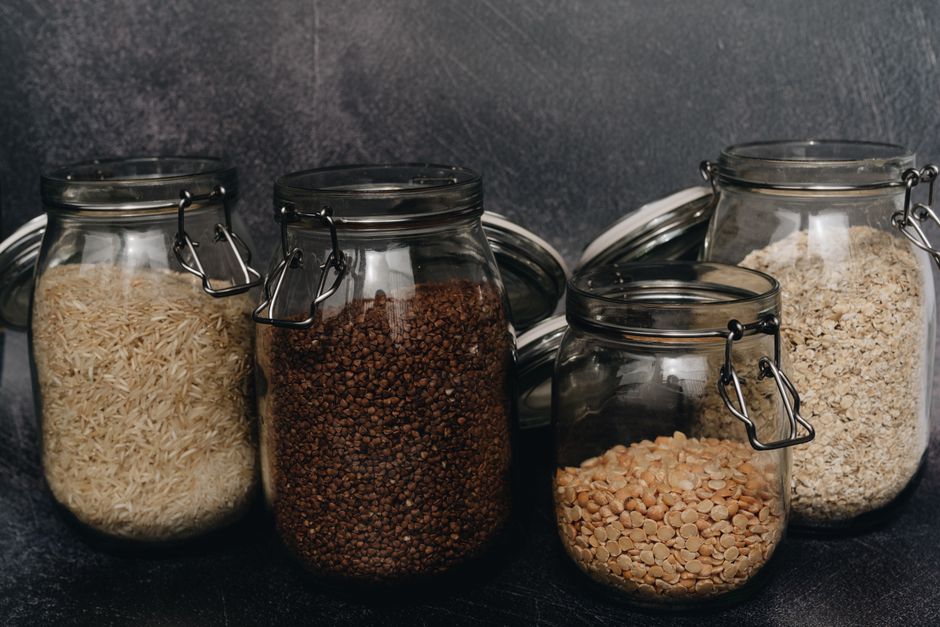
Batch cooking grains is a foundational practice for many home cooks who want to streamline weekday meal preparation. By cooking rice, buckwheat, and quinoa in larger quantities ahead of time, it becomes possible to reduce daily cooking effort and maintain a steady supply of versatile staples. The approach involves planning, proper cooking techniques, and careful handling to support food safety and quality throughout the week. This article outlines a process-oriented framework for preparing these grains in advance, with attention to portioning, cooling, and reheating practices that align with common food safety guidelines.
The focus is on methodology rather than specific outcomes, recognizing that individual schedules, storage conditions, and equipment vary. The information provided is intended to support informed decision-making and does not replace professional advice. By understanding the key steps and variables involved, you can adapt the process to your own kitchen context and preferences.
Hearth & Pantry encourages a thoughtful approach to meal preparation that emphasizes transparency and practical knowledge. The following sections describe how to cook and portion rice, buckwheat, and quinoa in advance, along with cooling and reheating rules that can help maintain safety and quality for weekday meals.
Planning Your Batch Cooking Session
Successful batch cooking begins with a clear plan that accounts for the types of grains, expected consumption, and available storage space. Consider how many meals you intend to cover and whether you prefer to cook each grain separately or combine them for varied textures and flavors. Planning also involves reviewing your weekly schedule to identify the best time for a cooking session, allowing enough time for proper cooling and storage before the grains are needed.
When selecting grains, choose quantities that match your household’s typical consumption patterns. Cooking large batches can be efficient, but it is important to ensure that the grains can be cooled and stored properly within a safe time frame. Also, consider the shelf life of cooked grains and plan to use them within a reasonable period. Keeping a simple inventory of what you have prepared can help avoid waste and ensure that older batches are used first.
Gather the necessary equipment, including large pots, colanders, measuring cups, and storage containers. Having everything ready before you start can make the process smoother and more organized. It is also helpful to designate a clean workspace and to follow basic hygiene practices, such as washing hands and sanitizing surfaces, to minimize the risk of contamination.
Cooking Rice, Buckwheat, and Quinoa
Each grain has its own cooking characteristics that influence the batch cooking process. Rice varieties such as long-grain white rice, brown rice, and jasmine rice require different water-to-grain ratios and cooking times. Generally, white rice benefits from rinsing until the water runs clear to remove excess starch, while brown rice may require a longer cooking period and additional water. Following the package instructions or a reliable cooking method for the specific type of rice is a practical starting point.
Buckwheat, often consumed as groats or kasha, has a distinct nutty flavor and cooks relatively quickly. To prepare buckwheat for batch cooking, rinse the groats and toast them lightly in a dry pan if desired, then simmer in water or broth until tender. The ratio of liquid to buckwheat can vary depending on the desired texture, so it is useful to experiment and note the proportions that work well for your preferences. Quinoa requires thorough rinsing to remove its natural bitter coating, known as saponin, before cooking. It typically cooks in about 15 minutes with a 2:1 ratio of water to quinoa, though this can be adjusted for softer or firmer results.
When cooking multiple grains in one session, it can be efficient to cook them sequentially, starting with the grain that takes the longest. Alternatively, using separate pots allows for simultaneous cooking, but requires attention to timing and stovetop space. Regardless of the method, avoid overcrowding pots and stir occasionally to promote even cooking. Once the grains are tender, remove them from heat and let them rest covered for a few minutes to allow the moisture to distribute evenly.
Portioning for Weekday Meals
Portioning cooked grains into meal-sized amounts can simplify weekday meal assembly and help with portion control. Consider the typical serving size for your household and divide the cooked grains accordingly. Using a measuring cup or a kitchen scale can provide consistency across portions. It can be helpful to portion grains while they are still warm, as they are easier to spread and pack, but be mindful of food safety when handling warm foods.
Choose storage containers that are appropriate for the intended use. For refrigerated storage, shallow containers allow for faster cooling and are convenient for stacking. If you plan to freeze portions, use containers or bags designed for freezing, and label them with the date and contents. Portioning into individual servings can be advantageous for grab-and-go meals, while larger portions may suit family-style meals or recipes that call for a specific amount.
As you portion, consider keeping different grains separate to maintain their distinct textures and flavors. However, combining grains in a single container can also be a practical way to create custom blends for salads or side dishes. In either case, allow the grains to cool sufficiently before sealing containers to prevent condensation and potential spoilage. A general guideline is to avoid packing hot grains tightly into deep containers, as this can slow the cooling process.
Cooling and Storage Guidelines
Proper cooling is a critical step in the batch cooking process. Cooked grains should be cooled relatively quickly to minimize the time they spend in the temperature danger zone, which is typically between 40°F and 140°F (4°C and 60°C). One approach is to spread the cooked grains on a clean baking sheet or shallow dish to increase the surface area and facilitate faster cooling. Stirring occasionally can also help release heat. Once the grains have reached a cooler temperature, they can be transferred to storage containers.
According to common food safety recommendations, cooked grains should be refrigerated within two hours of cooking. If the ambient temperature is above 90°F (32°C), this window may be shorter. When refrigerating, place containers in the coldest part of the refrigerator, typically the back, and ensure they are not overcrowded to allow for air circulation. Label containers with the date of preparation to help track freshness. As a general guide, cooked grains can be stored in the refrigerator for about 3 to 5 days, but this can vary based on the grain type and storage conditions.
For longer storage, freezing is an option. Frozen cooked grains can maintain quality for several months, though the exact duration depends on the packaging and freezer temperature. To freeze, portion the cooled grains into freezer-safe containers or bags, remove as much air as possible, and seal tightly. Thaw frozen grains in the refrigerator overnight before reheating. It is advisable to check the grains for any signs of spoilage, such as off odors or mold, before use.
Reheating Rules for Safety and Quality
Reheating cooked grains requires attention to temperature and uniformity. The goal is to heat the grains to a safe internal temperature, typically 165°F (74°C), to ensure that any potential bacteria are destroyed. Using a food thermometer to check the temperature is a reliable method. When reheating in a microwave, stir the grains halfway through to promote even heating, as microwaves can create hot and cold spots. Covering the container can help retain moisture and heat, but be sure to allow steam to escape to prevent pressure buildup.
On the stovetop, reheating grains with a small amount of liquid over low heat can help restore moisture and prevent sticking. Stir frequently and heat until steaming hot throughout. For grains that were frozen, ensure they are fully thawed before reheating to promote even heating. Avoid reheating grains more than once, as repeated heating and cooling cycles can increase the risk of bacterial growth and degrade quality.
It is also important to consider the texture and flavor of reheated grains. Some grains, such as rice, may dry out during reheating, so adding a splash of water or broth can help. Quinoa and buckwheat tend to reheat well, but they can become mushy if overheated. Observing these details can contribute to a more pleasant eating experience. Always rely on your senses—if the grains look or smell unusual, it is safer to discard them.
Integrating Batch Cooked Grains into Weekly Meals
Having a supply of cooked grains on hand can inspire a variety of weekday meals. They can serve as a base for grain bowls, be added to soups and stews, or be used in salads and stir-fries. When incorporating grains into recipes, consider how they will be reheated or whether they will be consumed cold. For cold applications, ensure that the grains have been properly cooled and refrigerated beforehand. For hot dishes, follow the reheating guidelines to maintain safety.
To maintain variety, consider alternating the types of grains you cook each week or experimenting with seasonings and cooking liquids. Cooking grains in broth or with herbs can add flavor and reduce the need for additional seasoning later. It can also be helpful to plan meals that use the grains in different ways to avoid monotony. For example, use rice for a stir-fry, buckwheat for a warm salad, and quinoa for a cold lunch bowl.
Hearth & Pantry suggests keeping a simple log of your batch cooking sessions, noting the grains cooked, quantities, and storage dates. This practice can support organization and help refine your process over time. By approaching batch cooking with a focus on method and safety, you can create a flexible foundation for weekday meals that suits your lifestyle and preferences.