Turning Leftover Roast Vegetables into New Meals
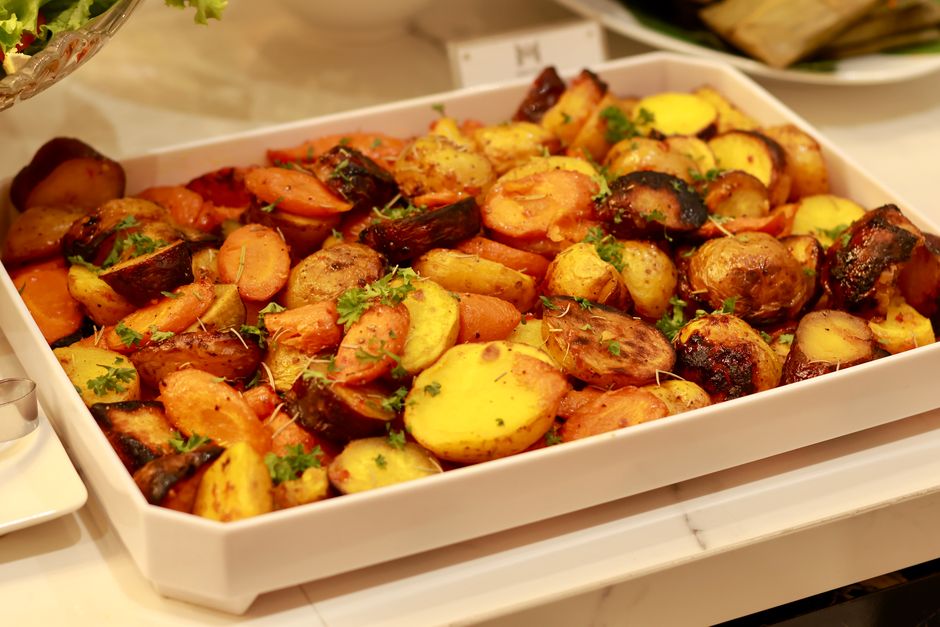
Roasted carrots and potatoes often appear in quantities that exceed immediate consumption, especially when prepared for a meal or gathering. Once cooled and refrigerated, these vegetables retain their flavor and texture but may no longer fit the original presentation. Repurposing them is a practical exercise in kitchen resource management that relies on understanding how roasted vegetables behave in different culinary contexts. The goal is not to mask their roasted character but to integrate it into a new structure, whether that structure is a baked dish, a blended soup, or a composed salad.
This article outlines three generalized methods for reusing roasted carrots and potatoes: a frittata, a soup, and a warm grain salad with herbs. Each method focuses on process, proportion, and the conditional factors that influence the final result. No single approach is presented as superior; rather, the intention is to illustrate how the same base ingredients can be redirected through different techniques. The discussion is aimed at home cooks in the United States who seek to reduce waste and vary their meals without starting from scratch.
Across all three methods, attention to moisture, seasoning, and heat application is central. Roasted vegetables have already undergone aMaillard reaction and moisture loss, which affects how they absorb liquids, bind with eggs, or mix with grains. Recognizing these characteristics allows for more predictable outcomes, though results will always depend on the specific vegetables, their initial roasting method, and storage conditions. The following sections describe each method in detail, emphasizing transparency in technique and the role of external variables.
General Considerations for Reusing Roasted Vegetables
Before applying any specific method, it is useful to assess the condition of the leftover vegetables. Roasted carrots and potatoes stored in a sealed container in the refrigerator typically remain usable for three to five days, but factors such as initial seasoning, oil content, and moisture exposure influence their quality over time. Vegetables that were roasted with a lot of oil may become softer, while those roasted dry may be firmer. These differences matter when selecting a reuse method, as softer vegetables may integrate more easily into soups or frittatas, while firmer pieces may hold their shape better in a grain salad.
Another consideration is the seasoning already present. If the vegetables were roasted with herbs, garlic, or spices, the new dish should account for those flavors to avoid over- or under-seasoning. Tasting the vegetables before proceeding is a simple step that informs adjustments. Similarly, the size and cut of the original pieces affect texture: large chunks may need to be cut down for a frittata or salad, while smaller pieces may be left as is. The overarching principle is to treat the leftovers as an ingredient with its own profile, not as a neutral base.
Hygiene and storage practices also affect suitability. Vegetables should be cooled promptly after roasting and refrigerated within two hours. If there is any doubt about their safety, they should be discarded. This article assumes the leftovers have been handled according to standard food safety guidelines and are still within their usable window. The methods described are not intended to rescue vegetables that have exceeded safe storage limits.
Method One: Frittata
A frittata is a baked egg dish that can accommodate a variety of cooked vegetables, making it a suitable vehicle for leftover roasted carrots and potatoes. The basic process involves whisking eggs with a small amount of dairy or water, combining them with the vegetables, and cooking the mixture gently on the stovetop before finishing in the oven or under a broiler. The proportions are flexible: a common ratio is six to eight eggs per cup of diced vegetables, but this can be adjusted based on the desired egg-to-vegetable balance.
To prepare, the vegetables are first cut into bite-sized pieces if they are not already. They can be sautéed briefly in a oven-safe skillet to reheat and to develop a bit of color, though this step is optional. The eggs are beaten with salt and pepper, and any additional ingredients such as cheese, fresh herbs, or diced onion may be added. The egg mixture is poured over the vegetables in the skillet, and the pan is cooked over medium heat until the edges begin to set. Then the skillet is transferred to a preheated oven at around 350°F (175°C) and baked until the center is just set, typically 10 to 15 minutes depending on the pan size and egg quantity.
The outcome of a frittata depends on several factors: the moisture content of the vegetables, the heat application, and the egg mixture. Vegetables that are very moist may release liquid during cooking, which can affect the texture; in such cases, they can be patted dry before use. The frittata can be served warm, at room temperature, or cold, and it stores well in the refrigerator for a few days. This method is adaptable, but it does not guarantee a perfect set every time; variables such as pan material and oven calibration play a role.
Method Two: Soup
Leftover roasted carrots and potatoes can be transformed into a blended or chunky soup. The roasted flavors contribute depth, while the vegetables’ softened texture blends easily. The process begins by sautéing aromatics such as onion, garlic, or leeks in a pot, then adding the roasted vegetables and a liquid such as vegetable or chicken broth. The mixture is simmered until heated through and the flavors meld, usually 15 to 20 minutes. For a smooth soup, an immersion blender or countertop blender can be used; for a chunky soup, the vegetables can be mashed lightly with a potato masher or left whole if small.
Seasoning is particularly important in soup because the liquid dilutes the existing flavors. The roasted vegetables may already contain salt and spices, so additional seasoning should be added gradually and tasted as the soup cooks. Herbs such as thyme, rosemary, or parsley can complement the carrots and potatoes. A splash of cream or a dollop of yogurt may be added for richness, though this is optional. The consistency can be adjusted by adding more broth or by simmering uncovered to reduce the liquid.
The final soup’s character is influenced by the ratio of vegetables to liquid, the type of broth, and the blending method. A higher vegetable-to-liquid ratio yields a thicker soup, while more liquid produces a lighter consistency. Because roasted vegetables vary in moisture, the exact amount of broth needed may differ each time. This method is forgiving but requires tasting and adjustment rather than strict adherence to measurements.
Method Three: Warm Grain Salad with Herbs
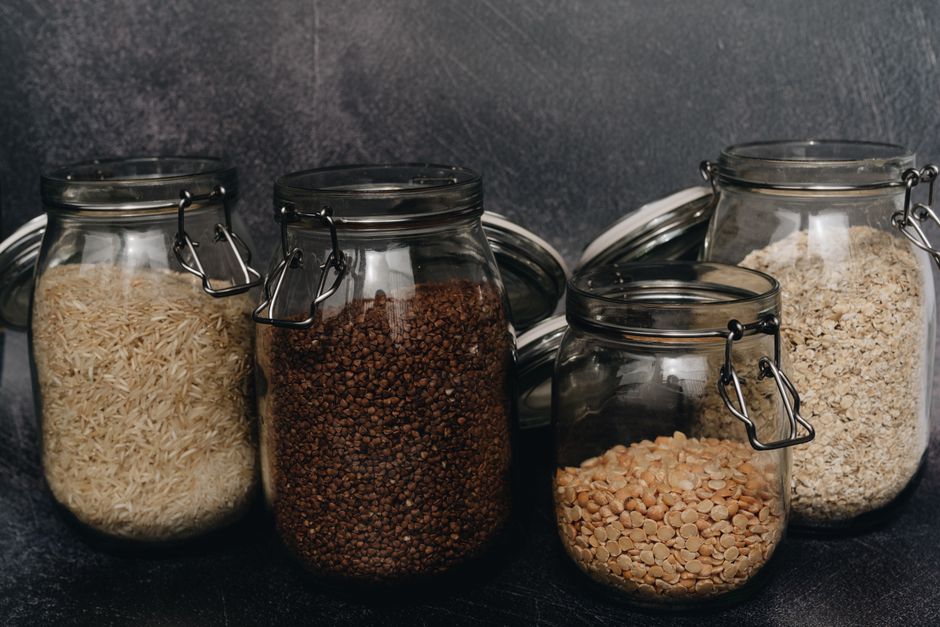
A warm grain salad combines cooked grains, roasted vegetables, herbs, and a dressing, served at a temperature that is neither hot nor cold. This method highlights the vegetables’ roasted edges and works well with firmer pieces. The process starts by cooking a grain such as farro, quinoa, brown rice, or bulgur according to package directions. While the grain cooks, the roasted carrots and potatoes are cut into bite-sized pieces and gently reheated in a skillet or oven. The grains are then tossed with the warm vegetables, fresh herbs (such as parsley, cilantro, dill, or mint), and a simple vinaigrette or lemon-olive oil dressing.
The salad can be customized with additional ingredients like toasted nuts, seeds, crumbled cheese, or dried fruit, but the core structure remains grains, roasted vegetables, and herbs. The key to a coherent salad is balancing textures and flavors: the softness of the roasted vegetables should contrast with the chewiness of the grains and the freshness of the herbs. The dressing should be acidic enough to cut through the richness of the roasted vegetables, but not so strong that it overwhelms the herbs.
This method is less prescriptive than the frittata or soup, as the proportions can vary widely. A common starting point is equal parts cooked grains and roasted vegetables by volume, with a generous handful of herbs and enough dressing to coat without pooling. The salad can be served immediately while warm, or at room temperature later. Storage considerations include keeping the dressing separate until serving to prevent the grains from becoming soggy. As with the other methods, the result depends on the specific vegetables and grains used, and adjustments may be needed based on taste.
Practical Notes on Integration and Adaptability
Across these three methods, the common thread is the use of leftover roasted carrots and potatoes as a starting point rather than a fixed recipe. Each method allows for variation in ingredients, proportions, and seasoning, and none requires specialized equipment beyond basic kitchen tools. The choice of method may depend on the quantity of leftovers, the desired meal format, and the time available. For instance, a frittata may be suitable for a breakfast or light lunch, while a soup or grain salad might serve as a main meal.
It is also worth noting that these methods can be combined or adapted. Leftover frittata can be chopped and added to a grain salad, or soup can be thickened with leftover grains. The boundaries are flexible, and the aim is to use ingredients efficiently while maintaining palatability. However, successful outcomes are not guaranteed; they depend on the condition of the leftovers, the cook’s attention to seasoning and moisture, and other contextual factors. The information provided here is intended as a guide to process and methodology, not as a promise of specific results.
Finally, the practice of repurposing roasted vegetables aligns with a broader approach to kitchen resourcefulness that many home cooks in the United States find useful. It reduces waste and introduces variety without extensive additional shopping. Hearth & Pantry encourages an exploratory attitude toward leftovers, with an emphasis on observation and adjustment rather than rigid formulas. By understanding the properties of roasted carrots and potatoes and the techniques that suit them, cooks can make informed decisions about how to give them a second life at the table.